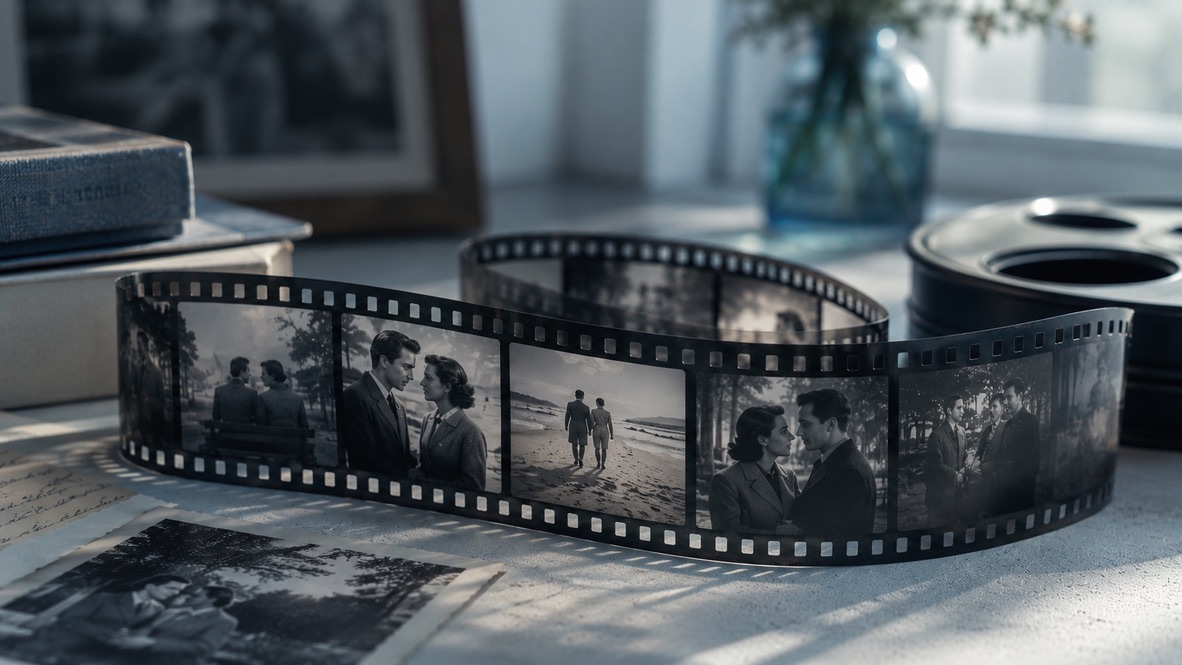
One of my patients loves the movie The Way We Were. It’s been playing in her room recently, and it reminds her of happier days.
Recently, we spoke about memories. She talked about how they come and go, saying they pop up at the strangest times. “Sometimes you can’t remember no matter how hard you try; and other times a memory just comes by itself.”
She was clear in her belief, however, that “They’re all still there.”
She was right.
Not gone. Not erased. Just sometimes out of reach.
We talked about how memories seem to live, as the song from the movie says, “in the corners of the mind.” Sometimes we search for one and can’t quite reach it. Other times it surfaces on its own — a melody recognized, a familiar phrase, a laugh, or a brief glimpse of a once vibrant personality.
In my work, I see this often. Even when cognition changes, something deeper remains. A person may not be able to narrate their life story, but the life itself is still present — in instinct, in gesture, in the way a hand reaches back when held.
The details may blur. But what they have loved, what they have endured, what has shaped them — that doesn’t simply vanish.
Like my patient said: it’s all still there.
Maybe our role is simply to be present for whatever surfaces. I’m thinking of a man who brought a photograph of himself and his wife to a memorial service I facilitated today — a memory of different times that he wanted us to know about.
And I’m thinking of my patient, watching The Way We Were for perhaps the hundredth time, mouthing the words to a song she knows by heart.
Memories never get old.